Global Flavors Japanese Teriyaki Salmon
Highlighted under: Cultural Food Traditions
When I first tried making teriyaki salmon at home, I was blown away by how easy and rewarding it was. The combination of sweet, savory, and umami flavors creates a dish that's not just delicious but also visually stunning. The key is to let the salmon marinate long enough to absorb all those vibrant flavors while achieving a perfectly glazed finish. Trust me, this recipe will transport you to Japan with every bite!
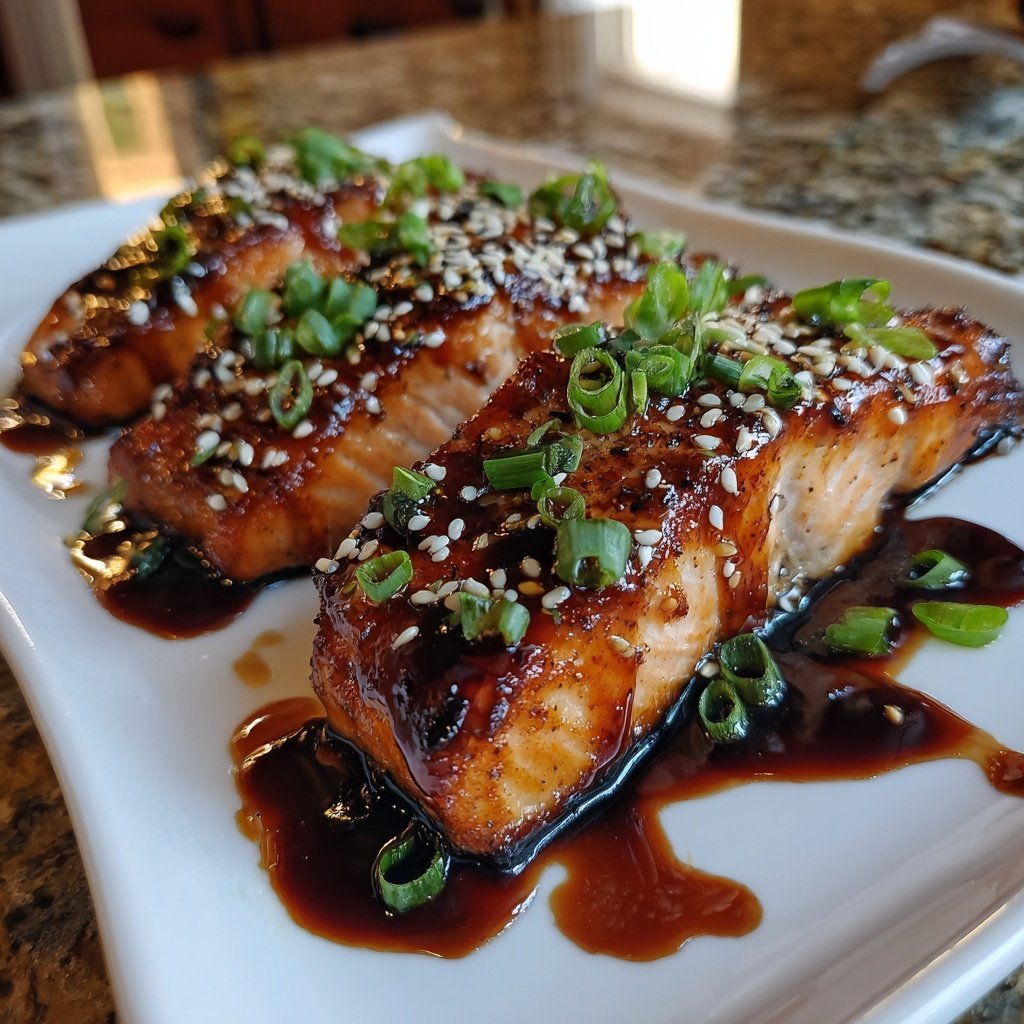
As I was experimenting with different marinades, I realized that the balance of soy sauce, mirin, and brown sugar was the secret to a truly authentic teriyaki flavor. After a few tries, I found that a quick marination followed by the right cooking technique made all the difference. I love to finish it off with a sprinkle of sesame seeds and green onions for added texture and freshness.
What I particularly enjoy about this recipe is how it brings together the impressive taste of Japanese cuisine in a matter of minutes. The salmon's natural oils pair beautifully with the sweetness of the sauce, resulting in a dish that's not only delectable but also healthy. Give it a try next time you want something special and quick for dinner!
Why You'll Love This Recipe
- Quick and easy to prepare, perfect for weeknight dinners.
- A delightful blend of sweet and savory flavors that captivate your taste buds.
- Healthy omega-3 fatty acids in salmon make this dish nutritious and satisfying.
Marinating Tips for Maximum Flavor
To truly let the flavors penetrate the salmon, consider marinating for at least 30 minutes instead of the minimum 15. This extra time allows the soy sauce and mirin to infuse thoroughly, leading to a deeper umami taste. For best results, use a resealable plastic bag, ensuring all air is removed for an even marinade distribution. You can also marinate the salmon overnight in the refrigerator for an intense flavor boost.
Another great tip is to save a portion of the marinade before adding the salmon. This can be heated and used as a finishing sauce, intensifying the dish's flavors while ensuring you avoid cross-contamination. Just remember, when reheating, bring it to a boil for at least one minute to ensure safety.
Cooking Technique to Perfectly Glazed Salmon
When cooking the salmon, starting with a medium heat is essential. This temperature allows the sugars in the marinade to caramelize without burning, creating that beautiful, glossy finish. Look for the salmon to develop golden edges as it cooks; this is a key visual indicator of doneness without overcooking.
Basting the salmon with the reserved marinade during cooking not only adds flavor but also helps maintain moisture, ensuring the salmon remains tender instead of dry. If you're using a thicker cut of salmon, you might need to extend the cooking time by an additional minute per side to ensure it's cooked through without compromising the glaze.
Serving Ideas and Variations
For a complete meal, serve your teriyaki salmon over a bed of fluffy jasmine rice or quinoa, which pairs beautifully with the sweet-savory glaze. Adding a side of steamed vegetables, like broccoli or bok choy, will not only enhance the presentation but also round out the dish nutritionally. Drizzling some extra sauce over the veggies can tie the meal together, making it visually appealing.
Feel free to customize this recipe to suit your taste. For a spicier version, add a dash of sriracha or some red pepper flakes into the marinade. You can also use different fish like trout or even chicken for a twist on this classic dish, making it versatile for various palates.
Ingredients
Ingredients
- 4 salmon fillets
- 1/4 cup soy sauce
- 1/4 cup mirin
- 2 tablespoons brown sugar
- 1 tablespoon rice vinegar
- 2 cloves garlic, minced
- 1 teaspoon grated ginger
- 1 tablespoon sesame oil
- 2 green onions, chopped
- Sesame seeds for garnish
Instructions
Make the Marinade
In a bowl, whisk together soy sauce, mirin, brown sugar, rice vinegar, garlic, ginger, and sesame oil until the sugar dissolves.
Marinate the Salmon
Place the salmon fillets in a shallow dish and pour the marinade over them. Let them marinate for at least 15 minutes.
Prepare the Pan
Heat a non-stick skillet over medium heat. Remove the salmon from the marinade, reserving the marinade.
Cook the Salmon
Place the salmon in the skillet skin-side down. Cook for about 4-5 minutes, then flip and cook for another 4-5 minutes, basting with reserved marinade.
Serve
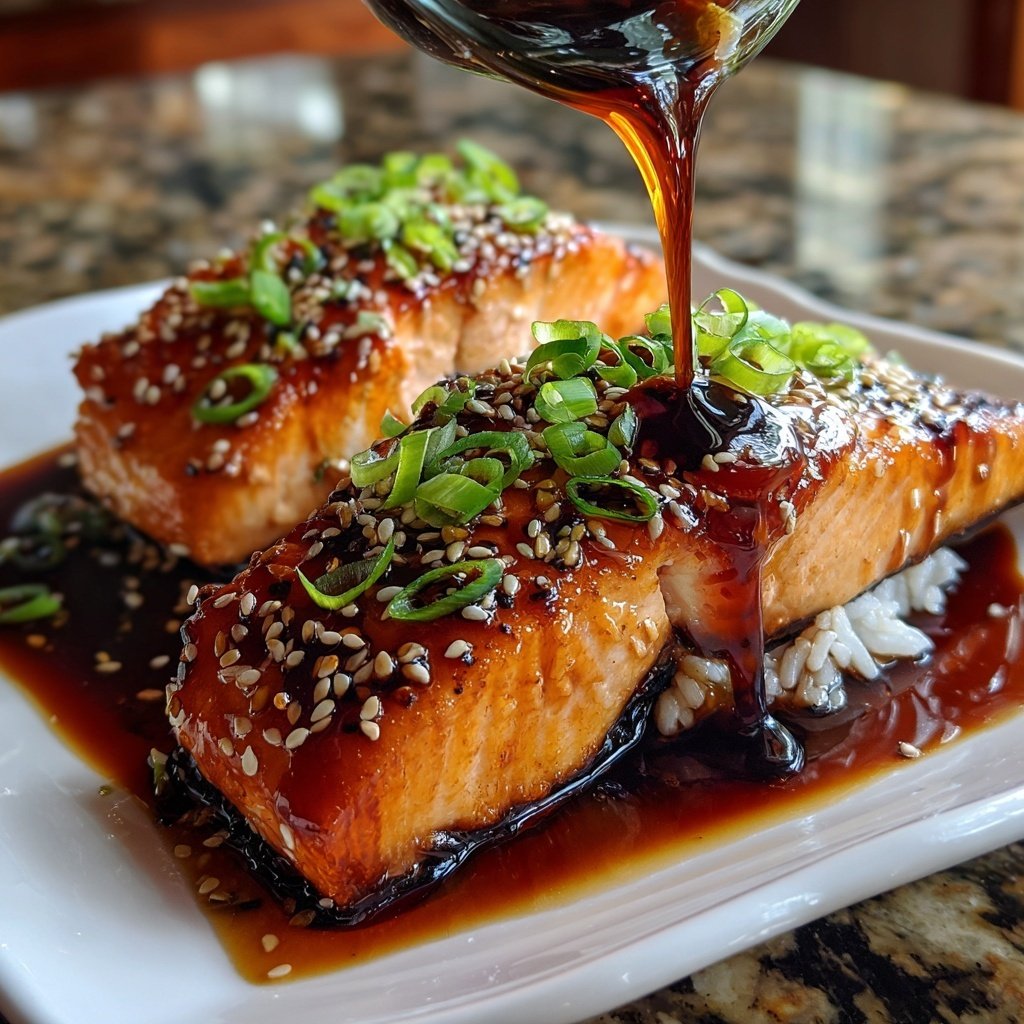
Once cooked through, transfer the salmon to plates, drizzle with remaining sauce, and top with sesame seeds and green onions.
Pro Tips
- For an extra layer of flavor, grill the salmon instead of pan-searing it. Make sure to keep an eye on it to prevent burning.
Ingredient Spotlight: Salmon
Salmon is not only delicious but also an excellent source of omega-3 fatty acids, which are known for promoting heart health. When choosing salmon, look for fillets that are bright in color, ideally a rich pink to deep red, as they indicate freshness. I prefer using skin-on fillets, as the skin adds texture and helps keep the fish from sticking to the pan.
If you're ever in a pinch, frozen salmon works well too. Just ensure it's completely thawed before marinating and cooking. Properly thawed salmon should be firm and moist. Avoid using overcooked fish; you want your salmon to flake easily with a fork while remaining tender.
Storage and Reheating Tips
Leftover teriyaki salmon can be stored in an airtight container in the refrigerator for up to 3 days. When storing, place a piece of parchment paper between the fillets to prevent sticking. For longer preservation, consider freezing the salmon; it keeps well for about 3 months. Thaw overnight in the refrigerator when you're ready to eat it again.
When reheating, do so gently in the oven at a low temperature, around 300°F, until warmed through. This method ensures the salmon remains moist, avoiding the rubbery texture that can happen with microwave reheating. A splash of additional marinade or a drizzle of fresh sesame oil can enhance the reheated dish!
Questions About Recipes
→ Can I use frozen salmon?
Yes, just make sure to thaw it completely and pat it dry before marinating.
→ What can I serve with teriyaki salmon?
It pairs well with steamed rice and sautéed vegetables or a fresh salad.
→ How long can I marinate the salmon?
You can marinate it for up to 1 hour for stronger flavors, but 15 minutes works well too.
→ Can I substitute the soy sauce?
Yes, you can use tamari for a gluten-free option, or coconut aminos for a lower-sodium version.
Global Flavors Japanese Teriyaki Salmon
Created by: Rosie Mitchell
Recipe Type: Cultural Food Traditions
Skill Level: Beginner
Final Quantity: 4 servings
What You'll Need
Ingredients
- 4 salmon fillets
- 1/4 cup soy sauce
- 1/4 cup mirin
- 2 tablespoons brown sugar
- 1 tablespoon rice vinegar
- 2 cloves garlic, minced
- 1 teaspoon grated ginger
- 1 tablespoon sesame oil
- 2 green onions, chopped
- Sesame seeds for garnish
How-To Steps
In a bowl, whisk together soy sauce, mirin, brown sugar, rice vinegar, garlic, ginger, and sesame oil until the sugar dissolves.
Place the salmon fillets in a shallow dish and pour the marinade over them. Let them marinate for at least 15 minutes.
Heat a non-stick skillet over medium heat. Remove the salmon from the marinade, reserving the marinade.
Place the salmon in the skillet skin-side down. Cook for about 4-5 minutes, then flip and cook for another 4-5 minutes, basting with reserved marinade.
Once cooked through, transfer the salmon to plates, drizzle with remaining sauce, and top with sesame seeds and green onions.
Extra Tips
- For an extra layer of flavor, grill the salmon instead of pan-searing it. Make sure to keep an eye on it to prevent burning.
Nutritional Breakdown (Per Serving)
- Calories: 380 kcal
- Total Fat: 26g
- Saturated Fat: 15g
- Cholesterol: 195mg
- Sodium: 85mg
- Total Carbohydrates: 32g
- Dietary Fiber: 3g
- Sugars: 24g
- Protein: 6g