Baking & Desserts Classic Vanilla Butter Cake
Highlighted under: Butter, Sugar & Flour
When it comes to baking, I have a special place in my heart for classic vanilla butter cake. There’s something so comforting and nostalgic about its rich, buttery flavor. Each time I whip up this cake, I’m reminded of family gatherings and celebrations where this dessert graced the table. Perfectly moist and fluffy, it forms the ideal base for any frosting or can be enjoyed on its own. I always keep some vanilla beans on hand to enhance the flavor, making this cake a timeless treat that never disappoints.
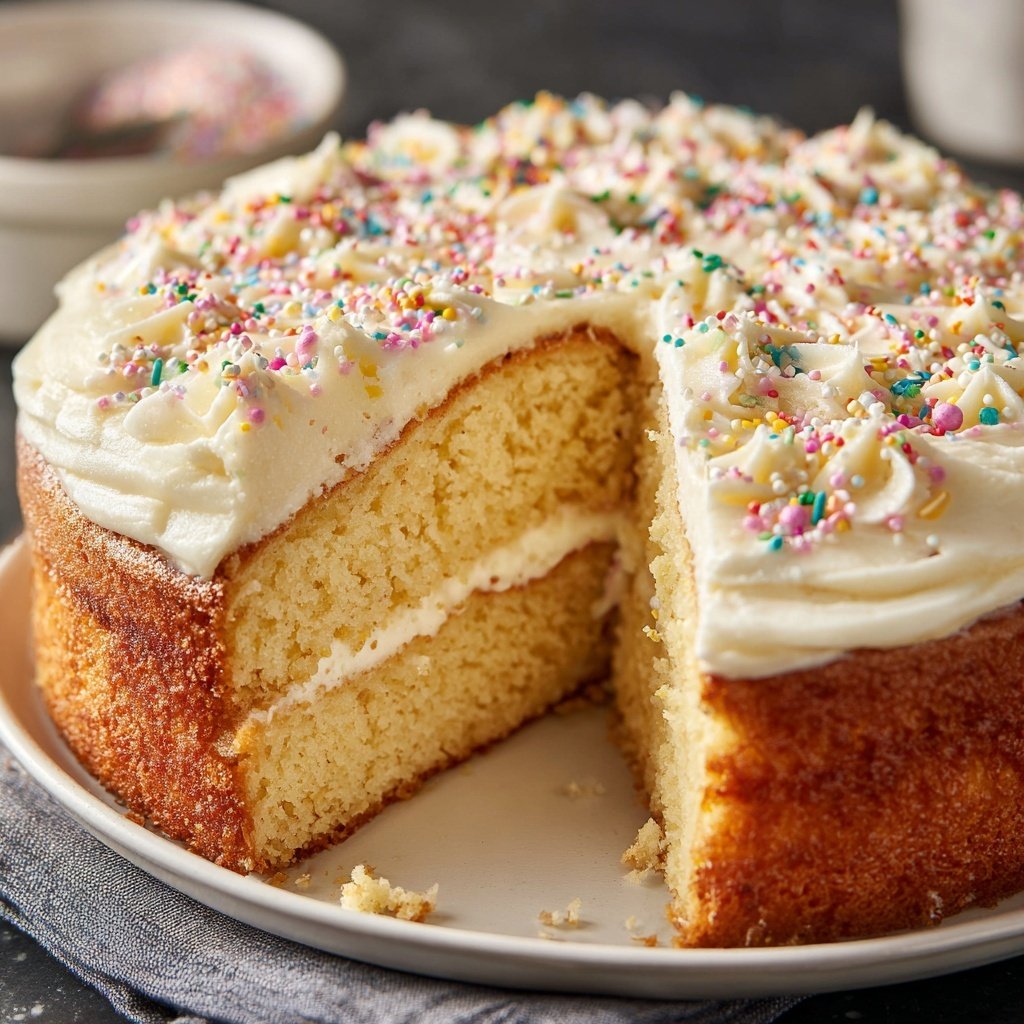
I've spent countless afternoons experimenting with different cake recipes, but my classic vanilla butter cake remains my favorites. The method I use starts with creaming the butter and sugar, which creates air pockets and results in a perfectly light and fluffy cake. Adding in room temperature eggs one at a time ensures everything blends smoothly without any lumps, giving it that melt-in-your-mouth texture.
One specific tip I learned is to use high-quality vanilla extract or fresh vanilla beans, which elevates the flavor profile dramatically. This cake doesn't need much else—just a simple dusting of powdered sugar or a light drizzle of glaze will allow its exquisite taste to shine.
Why You'll Love This Recipe
- Rich buttery flavor that's simply irresistible
- Perfectly fluffy texture with the right amount of moistness
- Versatile base for variations, from fruity toppings to decadent frostings
Understanding the Ingredients
When baking a classic vanilla butter cake, the quality of your ingredients is crucial. Using unsalted butter allows you to control the amount of salt in the recipe, enhancing the cake's flavor. Make sure your butter is soft, which will help it cream better with sugar, leading to that light and fluffy texture we love. I recommend using a kitchen scale for accuracy—especially with flour, as too much flour can lead to a dense cake.
The choice of eggs also plays a significant role in the cake’s structure. Using room temperature eggs helps them incorporate more easily into the butter and sugar mixture, preventing your batter from curdling. The protein in the eggs provides stability, which is key to achieving a fluffy rise.
Techniques for Success
One important step to master is the creaming method. Be sure to beat the butter and sugar together until the mixture is pale and fluffy; this process incorporates air, which contributes to the cake's rise. If it's not light enough, your cake may come out flat. Use a stand mixer fitted with a paddle attachment for best results, as it helps to aerate the mixture efficiently.
When combining the wet and dry ingredients, do this gradually. Start by adding about a third of the dry mixture to the creamed butter, followed by half of the milk, and repeat until everything is well combined. This method helps prevent overmixing, which can make the cake tough. Look for a smooth batter with no lumps before pouring it into the pans.
Storage and Serving Suggestions
This vanilla butter cake is incredibly versatile and can be stored at room temperature for up to three days in an airtight container. For longer storage, you can freeze the un-frosted cake. Wrap the cooled cakes tightly in plastic wrap and then in aluminum foil to prevent freezer burn; they should keep well for about three months. Just make sure to let it thaw at room temperature before serving.
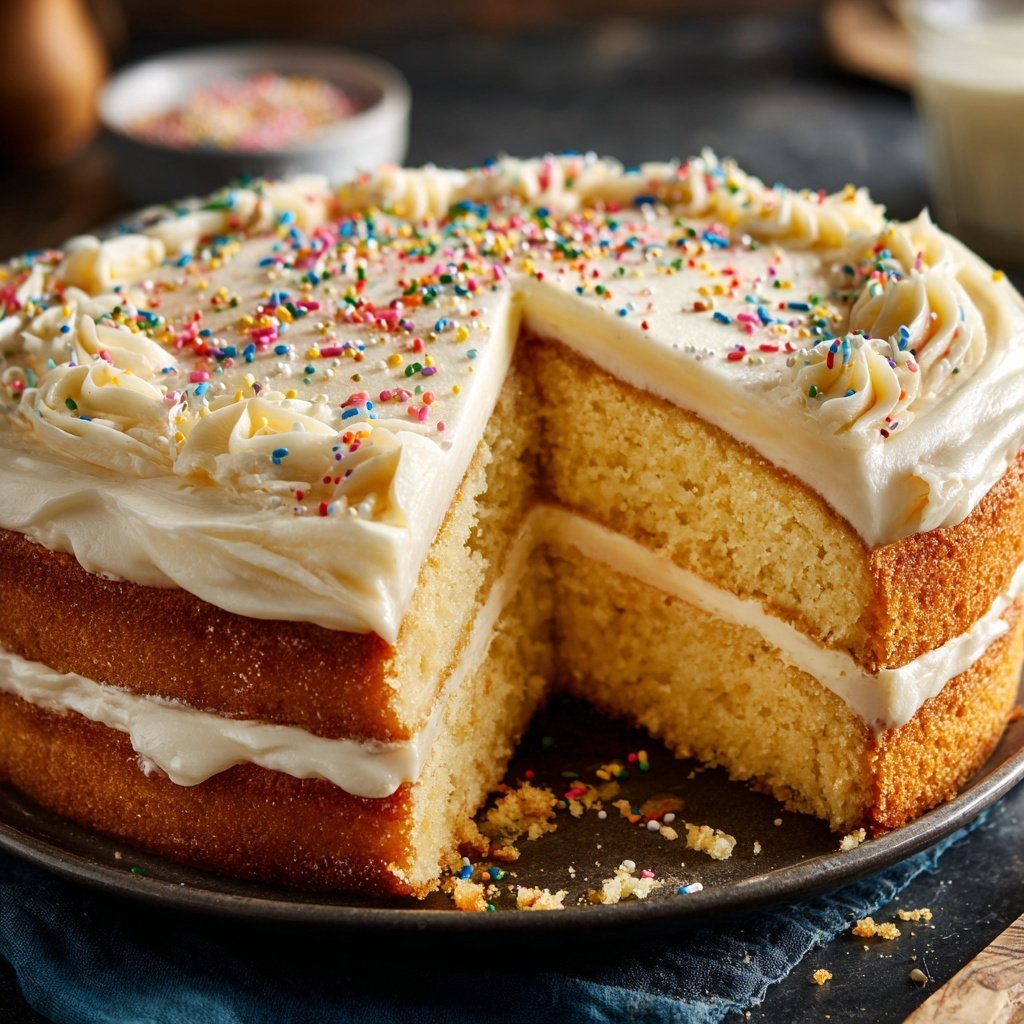
For serving, consider adding a dusting of powdered sugar for a simple presentation. You might also pair it with seasonal fruits or a scoop of whipped cream for an easy yet elegant dessert. If you’re feeling adventurous, try layering with fruit preserves or flavored buttercreams to elevate it beyond the classic recipe.
Ingredients
For the Cake
- 1 cup unsalted butter, softened
- 2 cups granulated sugar
- 4 large eggs, at room temperature
- 3 cups all-purpose flour
- 1 tablespoon baking powder
- 1 teaspoon salt
- 1 cup whole milk
- 2 teaspoons vanilla extract or 1 tablespoon vanilla bean paste
Instructions
Steps
Preheat the Oven
Preheat your oven to 350°F (175°C) and grease and flour your cake pans.
Cream Butter and Sugar
In a large mixing bowl, cream together the softened butter and sugar until light and fluffy.
Add Eggs
Add the eggs one at a time, mixing well after each addition.
Mix Dry Ingredients
In a separate bowl, sift together the flour, baking powder, and salt.
Combine Mixtures
Gradually add the dry ingredients to the creamed mixture, alternating with the milk and vanilla extract, until everything is well combined.
Pour and Bake
Pour the batter into the prepared cake pans and bake for 30 minutes or until a toothpick inserted in the center comes out clean.
Cool the Cake
Let the cakes cool in the pans for 10 minutes, then turn them out onto wire racks to cool completely.
Enjoy!
Pro Tips
- For an extra burst of flavor, consider adding a teaspoon of almond extract along with the vanilla. It brings a lovely depth to the cake that will have everyone asking for your secret ingredient!
Variations and Customizations
This classic vanilla butter cake serves as a fantastic base for numerous variations. Try adding zests from citrus fruits like lemon or orange to the batter for a refreshing twist. You can also incorporate spices, such as cinnamon or nutmeg, for a warm flavor profile. If you're a chocolate lover, consider replacing some of the flour with cocoa powder to create a delicious marble effect or a rich chocolate version.
For a nutty flavor, adding chopped walnuts or almonds into the batter can also provide a delightful crunch. Be cautious of adding too many extras, as this may alter the cake's texture; keep additions to about one cup total to maintain the proper balance.
Troubleshooting Common Issues
If your cake comes out dense or flat, it’s often due to overmixing after adding the flour or using too much flour initially. Always make sure to measure flour accurately and mix just until combined. On the other hand, if the top cracks while baking, it could be due to an oven temperature that's too high; consider checking your oven calibration for accuracy.
Should your cake be dry, it may have baked too long. Start checking doneness a few minutes before the recommended bake time, especially since oven temperatures can vary. A toothpick inserted into the center should come out with a few moist crumbs but not wet batter.
Questions About Recipes
→ Can I substitute the butter with oil?
While you can substitute some oil for butter, it will affect the flavor and texture. Butter is essential for that rich taste.
→ What can I use instead of whole milk?
You can use low-fat milk, but whole milk provides a richer flavor and moisture.
→ How can I store the leftover cake?
Store the cake in an airtight container at room temperature for up to 3 days, or refrigerate for up to a week.
→ Can I freeze this cake?
Yes, this cake freezes well. Wrap it tightly in plastic wrap and then in foil. It can last up to 3 months in the freezer.
Baking & Desserts Classic Vanilla Butter Cake
Created by: Rosie Mitchell
Recipe Type: Butter, Sugar & Flour
Skill Level: Beginner
Final Quantity: 1 cake
What You'll Need
For the Cake
- 1 cup unsalted butter, softened
- 2 cups granulated sugar
- 4 large eggs, at room temperature
- 3 cups all-purpose flour
- 1 tablespoon baking powder
- 1 teaspoon salt
- 1 cup whole milk
- 2 teaspoons vanilla extract or 1 tablespoon vanilla bean paste
How-To Steps
Preheat your oven to 350°F (175°C) and grease and flour your cake pans.
In a large mixing bowl, cream together the softened butter and sugar until light and fluffy.
Add the eggs one at a time, mixing well after each addition.
In a separate bowl, sift together the flour, baking powder, and salt.
Gradually add the dry ingredients to the creamed mixture, alternating with the milk and vanilla extract, until everything is well combined.
Pour the batter into the prepared cake pans and bake for 30 minutes or until a toothpick inserted in the center comes out clean.
Let the cakes cool in the pans for 10 minutes, then turn them out onto wire racks to cool completely.
Extra Tips
- For an extra burst of flavor, consider adding a teaspoon of almond extract along with the vanilla. It brings a lovely depth to the cake that will have everyone asking for your secret ingredient!
Nutritional Breakdown (Per Serving)
- Calories: 380 kcal
- Total Fat: 26g
- Saturated Fat: 15g
- Cholesterol: 195mg
- Sodium: 85mg
- Total Carbohydrates: 32g
- Dietary Fiber: 3g
- Sugars: 24g
- Protein: 6g